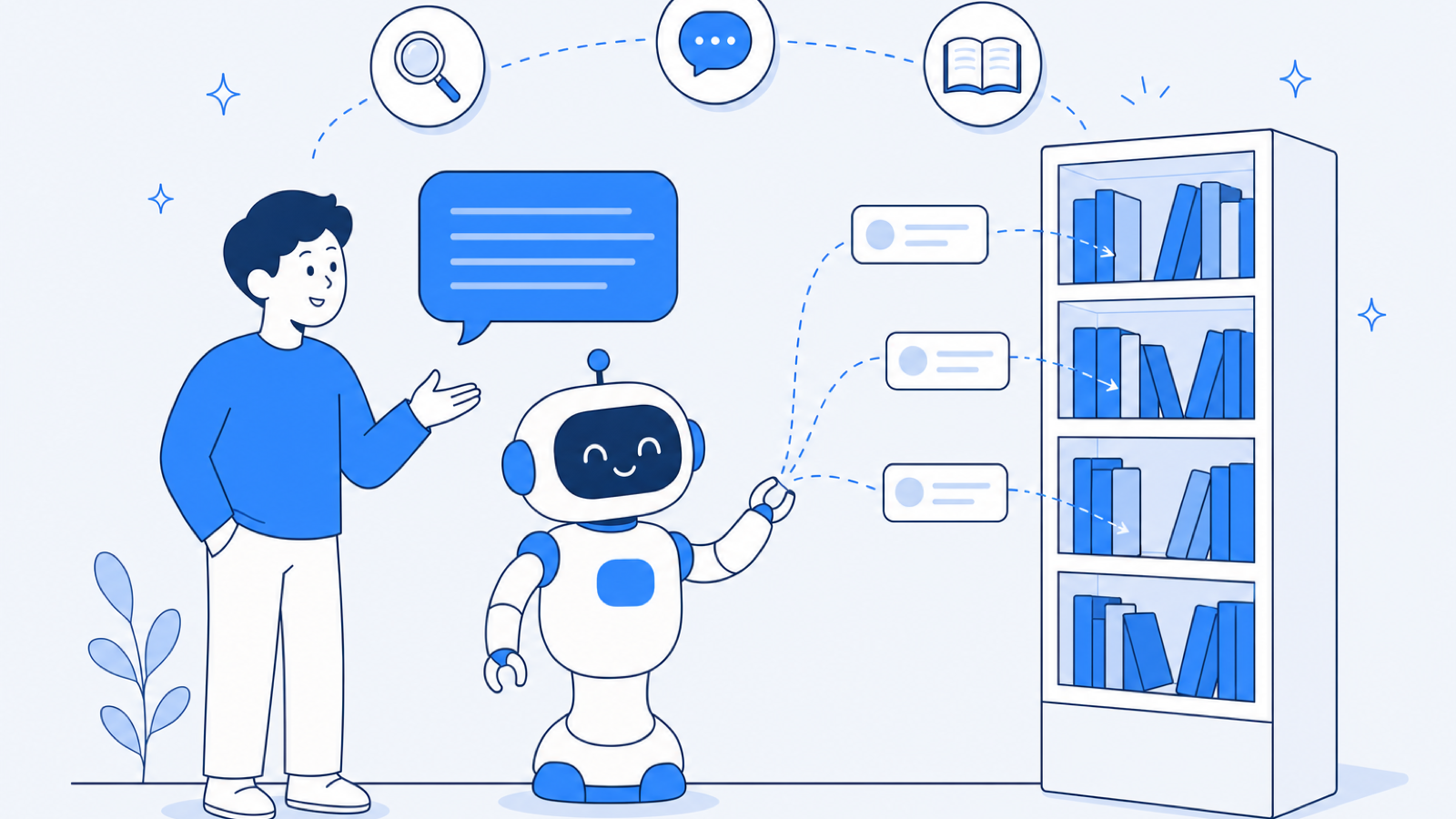






When the same AI tool produces different results, the difference isn’t skill; it’s context design. These days everyone on a team uses the same AI tools. Yet the output varies widely from person to person. One person pulls a usable draft in minutes, while another spends an hour editing and still says, “This isn’t our tone,” and reworks it. Same model, same tool. Why the gap?
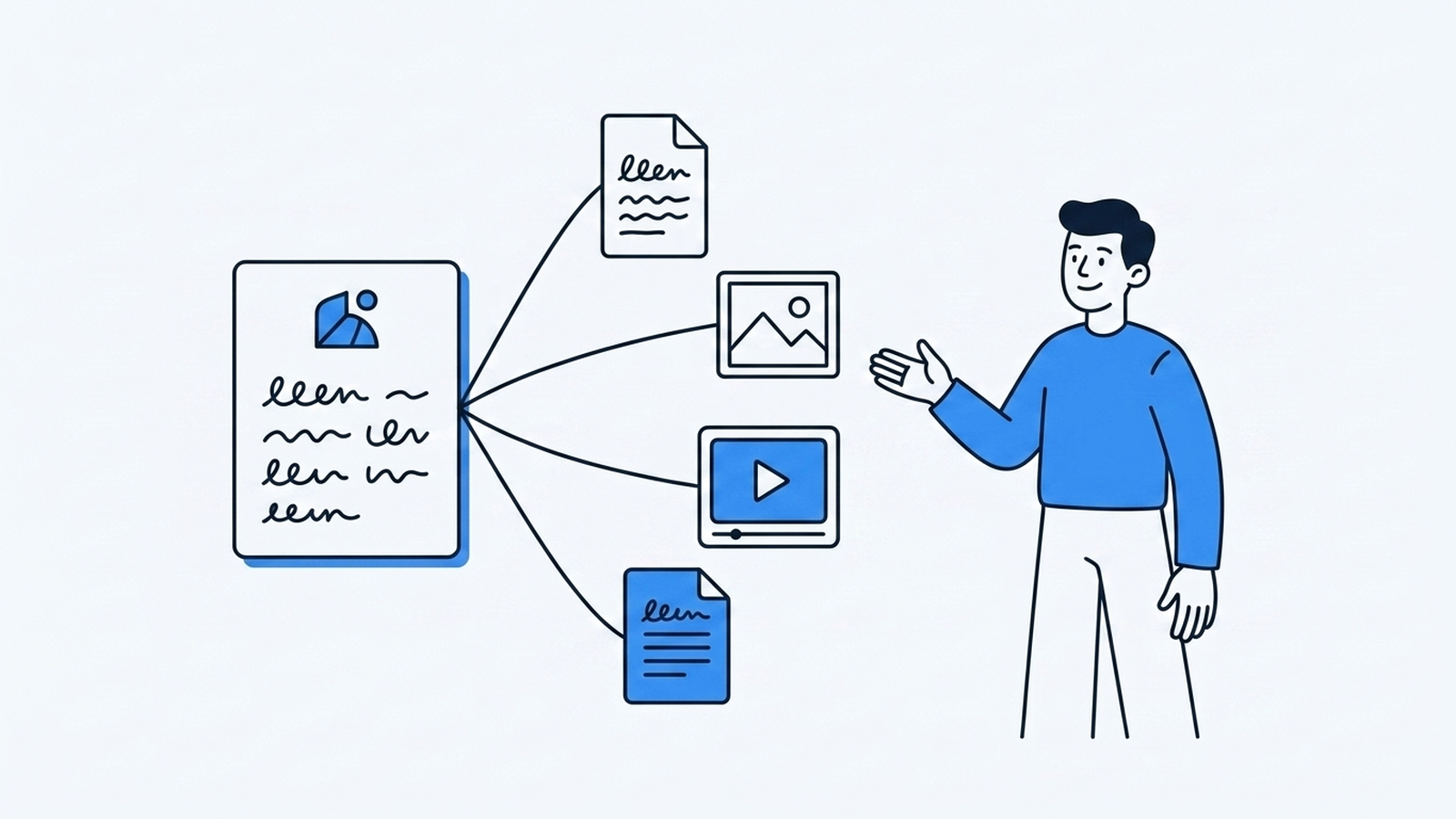
People often assume “some people are just good at AI,” but look closer and the difference isn’t writing talent or instinct. It comes down to how well you lay out context for the AI before the work starts.
1. A vs. B: context design matters more than prompting skill
Picture two people assigned the same piece of writing.
- A: Before writing, A feeds the AI the brand tone, the expressions to avoid, and a few past posts that performed well. So the very first draft already sounds like the brand, and a light polish finishes it.
- B: B jumps straight in with “Write a post on this topic.” The AI returns something generic and safe, and B spends the next hour repeating “That’s not how we write.”
The difference between them isn’t skill; it’s whether they designed context before starting. AI answers in your voice only as much as you give it context.
2. AI use has to be a system, not a knack
The problem is that this know-how usually lives in one skilled person’s head. When that person is away or leaves the team, quality collapses with them. New hires go through all the trial and error from scratch.
So an organization should watch “the floor of the whole team” more than “the ceiling of its best performer.” Raising the floor so that anyone produces at least a certain level makes a much bigger difference than making one great person even better. To get there, you have to turn the skilled person’s context design into a default everyone simply uses.
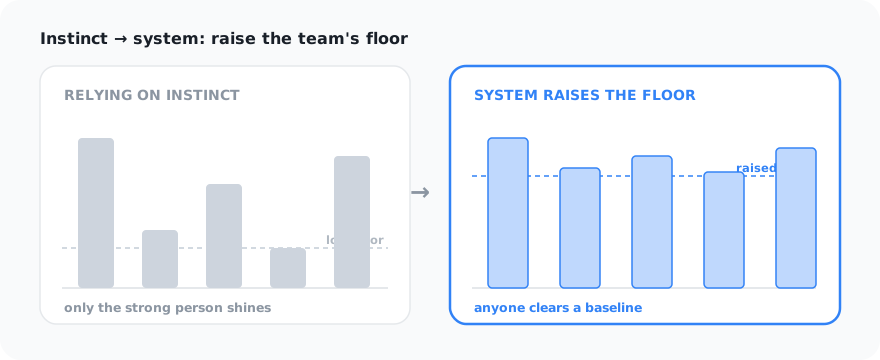
Put the two approaches side by side and the difference is clearer.
| Aspect | Relying on individual instinct | Defined as a system |
|---|---|---|
| Quality | Uneven from person to person | At least a certain level, no matter who does it |
| Continuity | Collapses when the owner leaves | Stays with the team when the owner changes |
| Onboarding | Trial and error repeated from scratch | Same defaults from day one |
| Tone consistency | Drifts a little each time, relying on memory | Fix it in one place and later output reflects it immediately |
3. Documents go stale; executed knowledge stays alive
Teams usually try to solve this with a “brand guide document.” But a guide written in a wiki or Notion starts going stale the moment it’s written, and honestly, few people open it every time.
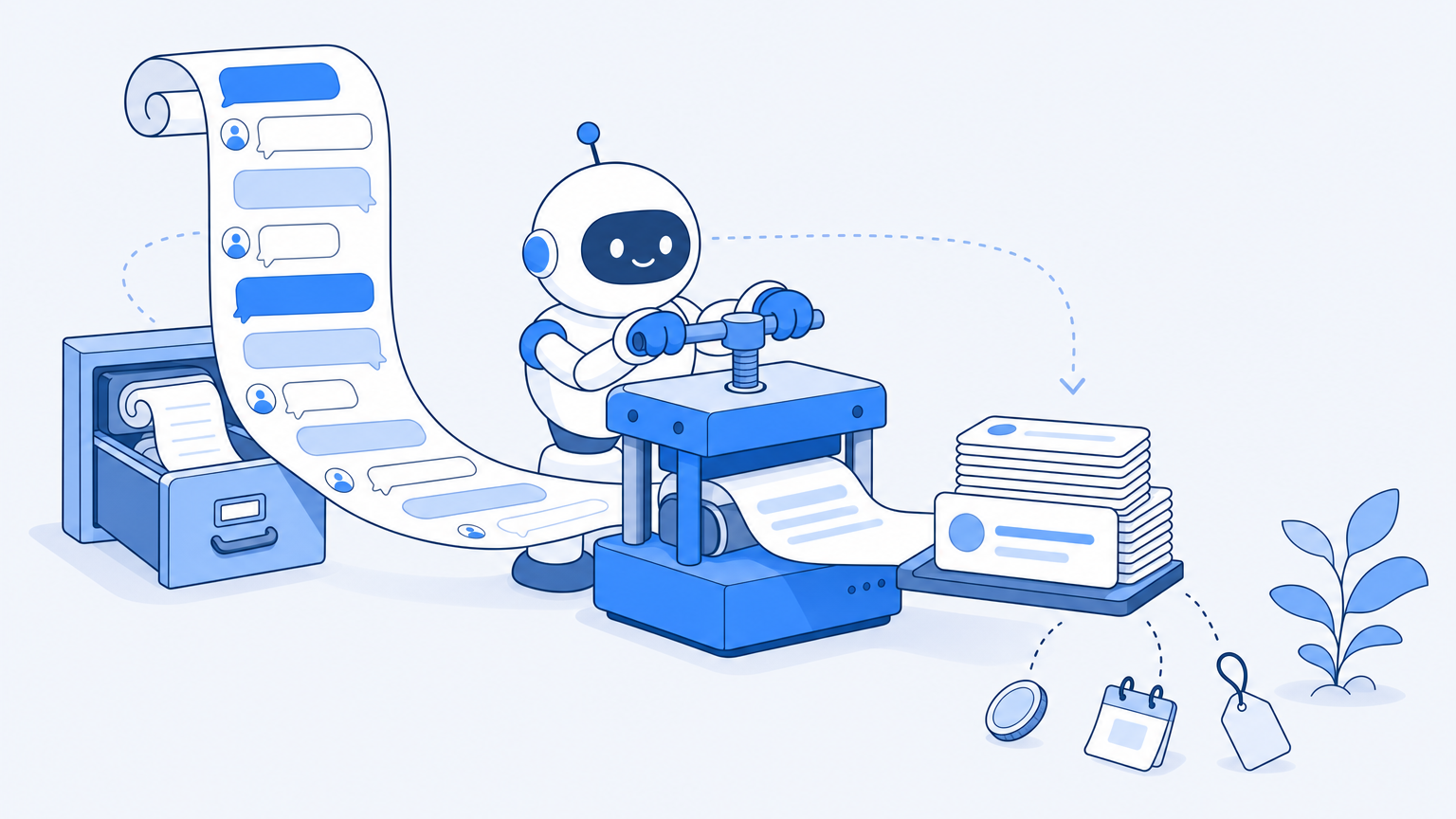
A better form is knowledge that reads as a guide to people and as precise instructions to AI. And that knowledge has to apply automatically to every deliverable, so that fixing the tone in one place immediately changes every result after it. It becomes context that actually runs, instead of a document waiting to be read.
4. The content team’s “harness” = automatic brand context injection
Apply this to content operations and the answer gets clean. Define your brand tone, strategy, and the expressions to avoid once, and from then on have every blog post, card news set, detail page, and video automatically inherit that context.
Then the gap between a strong writer and someone who just joined shrinks, because whoever makes the content starts with the same brand context already in place. What used to depend on individual instinct becomes a system the team shares, and that’s the moment the floor rises.
That’s what Trail Studio does. Define your brand once, and that context follows whatever content you make. The skilled person’s know-how becomes everyone’s default without having to be explained again each time.
In short
AI skill is no longer a matter of individual instinct. It’s moving into the realm of systems that teams design and roll out. The key is to define context well once, so that everyone starts from the same line no matter who does the work.
Content operations work the same way. Turn your brand context into a system, and instead of searching for people who are good with AI, you raise the floor of the whole team. From there, content quality is supported by the system instead of individuals.
Bring your team’s brand context into one place and connect it to all your content automatically. Start with Trail Studio.
For related reading, see Why streamlining content operations fails when you start by building an automation system, Why your brand tone scatters as marketing tools multiply, and the answer of unified production, and What is first-party data? How to use it in marketing after third-party cookies.
FAQ
What exactly is “context design”?
It’s loading AI with your brand tone, the expressions you must not use, and a few examples that performed well before you start writing. AI answers in your voice only as much as you give it context.
Why isn’t a brand guide document enough?
A guide written in a wiki or Notion starts going stale the moment it’s written, and few people open it every time. Knowledge that reads as a guide to people and as precise instructions to AI, and that applies automatically to every deliverable, lasts longer.
What if no one on our team is good with AI?
Define your brand tone and strategy once and turn it into a system. Instead of hunting for the person who’s good at it, everyone starts from the same context no matter who makes the content. Trail Studio does this automatically.